

Minnesota Web Design That Gets You Found, Cited, and Called
Search has changed. Your future customers now ask Google (AI Overview and Gemini), ChatGPT, and Perplexity before ever clicking the traditional blue link results. We build Minnesota WordPress websites answer AI search tools cite them as the trustworthy resource to call.
5.0 
40+ Verified Reviews
16+ Years
Trusted since 2009
Get Your Free Quote
ProWeb365 is a Minnesota web design and AI SEO agency founded in 2009 by Phong Nguyen. Headquartered in Roseville, it serves the Twin Cities and all of Minnesota. We build custom WordPress websites optimized for Google (AI Overview and Gemini) and two other major AI search engines: ChatGPT and Perplexity. We have launched countless websites for Minnesota businesses and nonprofits. ProWeb365 holds a 4.9-star Google rating based on 40+ verified reviews. Call (612) 590-8080 today for a free consultation!
Minnesota Web Design Built for the AI Search Era
We build Minnesota websites to answer questions, not win beauty pageants.
A website needs to do more than look good. It needs to load fast, answer customer questions clearly, highlight your expertise, and feed answers to AI engines on your behalf. That’s what we build throughout the Twin Cities and across Minnesota.
For over 16 years, ProWeb365 has been the Minnesota web design team small businesses call when their website stops bringing in customers. We build fast, mobile-friendly WordPress sites for Minnesota businesses. These are sites you own and can update yourself with our coaching. No long contracts. No lock-in. Only honest Minnesotan web design turning visitors into calls. 4.9 stars on Google across 42 reviews, and many years of work for Minneapolis, St. Paul, Roseville, Eagan, Faribault, Rochester, and beyond. If your site looks fine but isn’t ringing the phone, that’s what we’re here for. Call (612) 590-8080 today for a free consultation.
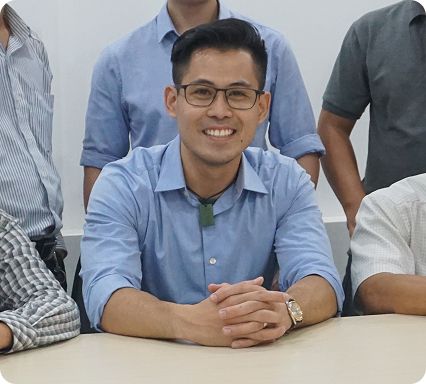
Clients' Reviews
Don’t take our word for it, hear directly from the clients we’ve helped succeed online.



“We had an outstanding experience working with ProWeb365. They didn’t just build a website, they took the time to truly understand our business, goals, and how we serve our clients. That level of care made all the difference.
Their expertise as a WordPress website designer really shows in the final product, but what impressed me most was their ability to think beyond design and contribute to the bigger picture of our business. It felt like having a strategic partner, not just a vendor. If you’re looking for one of the best web design companies, we highly recommend ProWeb365.”
“Working with Phong Nguyen and ProWeb365 on the launch of our org’s new website was a great experience. Phong genuinely felt like an extension of our team, warm, kind, and invested in making sure everything came together the right way.
He was incredibly responsive throughout the whole process, with turnaround times that honestly impressed me. His WordPress design expertise really showed, and you could tell he took the time to understand what we actually needed. Highly recommend ProWeb365!”
“The Origins Program has worked with Phong and ProWeb365 for several years. They are consistently efficient and accurate with meeting our website needs and requests. Phong genuinely listens to our asks and provides quality affordable solutions for our education non-profit website. ProWeb365 is the best web design agency we have worked with! 😁”
“I’ve been working with ProWeb365 for several years now. With some suggestions and tweaks from Phong, my website is producing a very healthy increase in business. I recommend this company to anyone who would like results similar to what they have provided for me.”
Full-service Minnesota web design agency
Everything your business needs to win online: design, AI search optimization, hosting, and ongoing support, under one roof.
We build custom WordPress websites for Minnesota businesses and non-profits optimized for Google and AI search and live in 4 weeks. Every site includes mobile-first design, Core Web Vitals tuning, JSON-LD schema, and conversion-focused copy. No templates. No platform lock-in. You walk away in full control of the site and a search foundation compounding yearly.
We grow your visibility where customers search in 2026: Google, ChatGPT, Perplexity, Gemini, Claude, and the Google Map Pack. Our digital marketing combines on-page SEO, Local SEO, GEO (Generative Engine Optimization), Google Business Profile management, and monthly content built to be cited by AI summaries (or AEO). Clear reporting every month, avoiding jargon and vanity metrics.
Fast, secure, U.S.-based WordPress hosting on servers tuned for Core Web Vitals. Every plan includes SSL, daily backups, uptime monitoring, and IT support from the same Minnesota team that built your site. One provider. One phone number. One resource.
Ongoing care for your WordPress site includes content edits, plugin and theme/core updates, malware scanning, CDN, and security patches. Month-to-month and cancel any time. Most requests are completed within one business day by your dedicated project manager.
Three signs it’s time to call our Twin Cities web design team
Our local Minnesota web design agency is just a phone call away: (612) 590-8080
Our Website Design & Development Process
We’ve refined our process over 16+ years to make creating a new website seamless. A transparent, collaborative approach to creating high-performing WordPress websites.
Strategy & Planning
We start by diving deep into your business goals and target audience. Our team conducts research on your industry to make informed, strategic recommendations for competitive positioning. Once approved by you, we create a comprehensive project contract outlining timelines, deliverables, and expectations. Everything is transparent and documented before development begins.
Design & Development
Our team designs and develops your custom WordPress website with a focus on three critical elements: stunning visual design, a user experience (UX) that drives conversions, and strategic search engine optimization (SEO). We engage with you throughout the process, requesting approval at each design milestone before coding. A collaborative approach ensures your vision is conceived as planned.
Testing & Refinement
We deploy a beta version for thorough testing in a staging environment. Explore every feature, review the content, and provide detailed feedback. We make iterative adjustments based on your input until you are satisfied with the result. Only when you give final approval do we proceed to the launch.
Launch & Long-Term Support
We coordinate a launch date to take the website live. However, our partnership doesn’t end there. Our team provides ongoing support and maintenance whenever needed. Your success is our success. We’re committed to being your trusted partner as your business grows online.
We Focus on Driving Measurable Results
Real Minnesota businesses. Real before-and-after numbers.
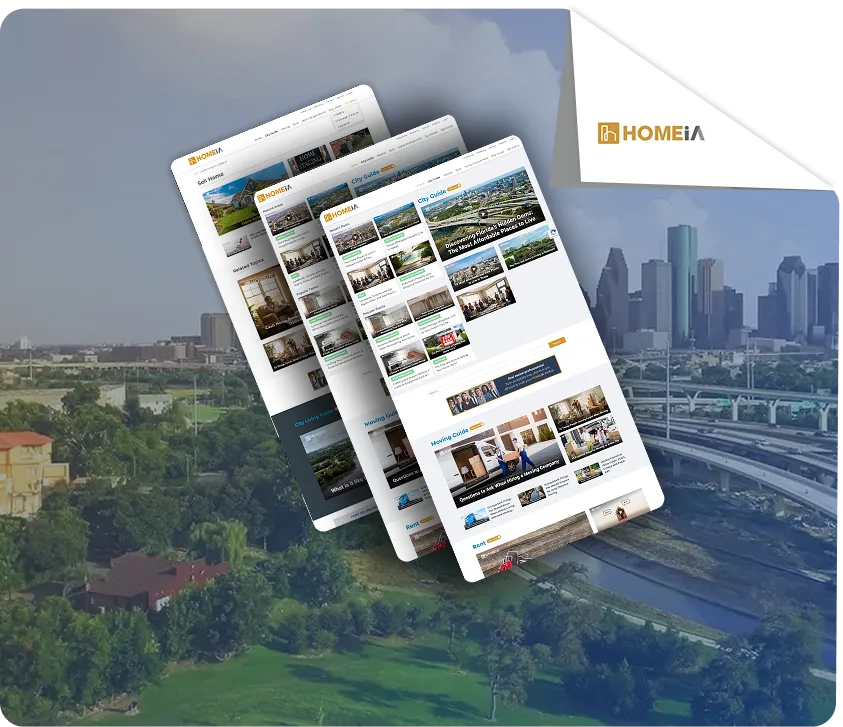
Website Redesign and Digital Marketing Success for: HOMEiA.com
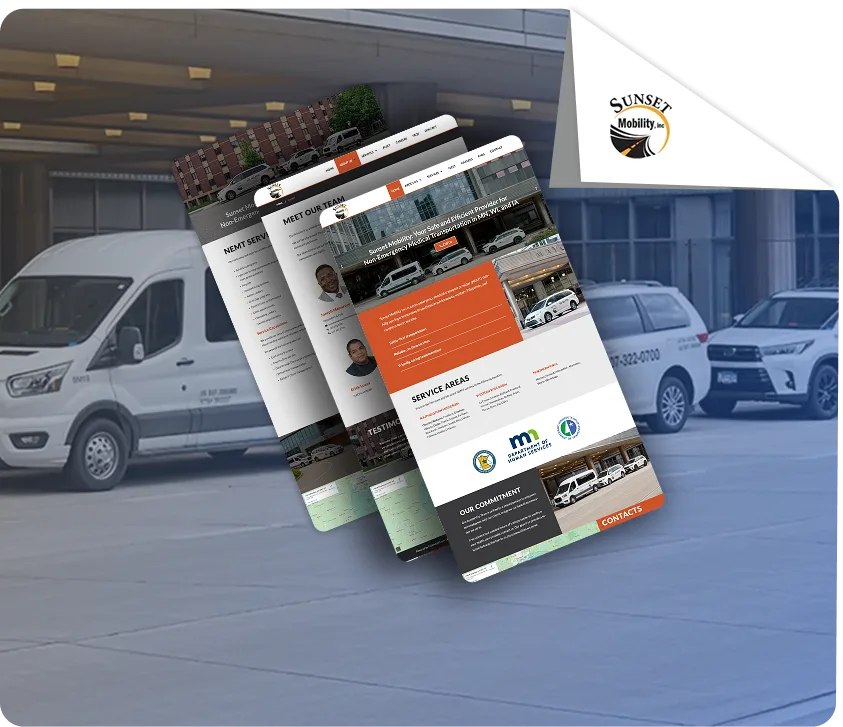
Website Redesign and Digital Marketing Success: Building a Foundation for Growth
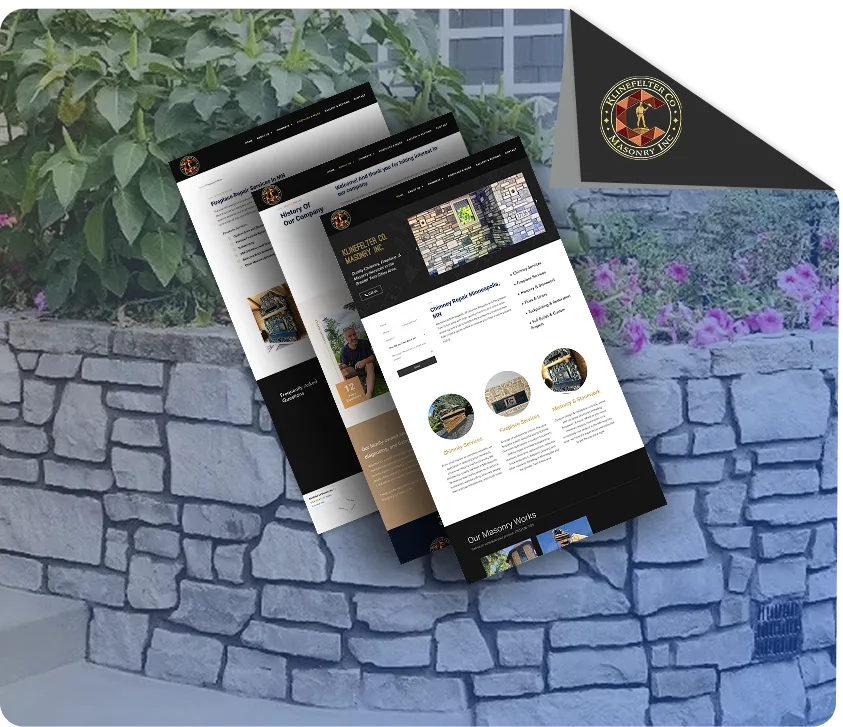
Website Redesign and Marketing: Success Story
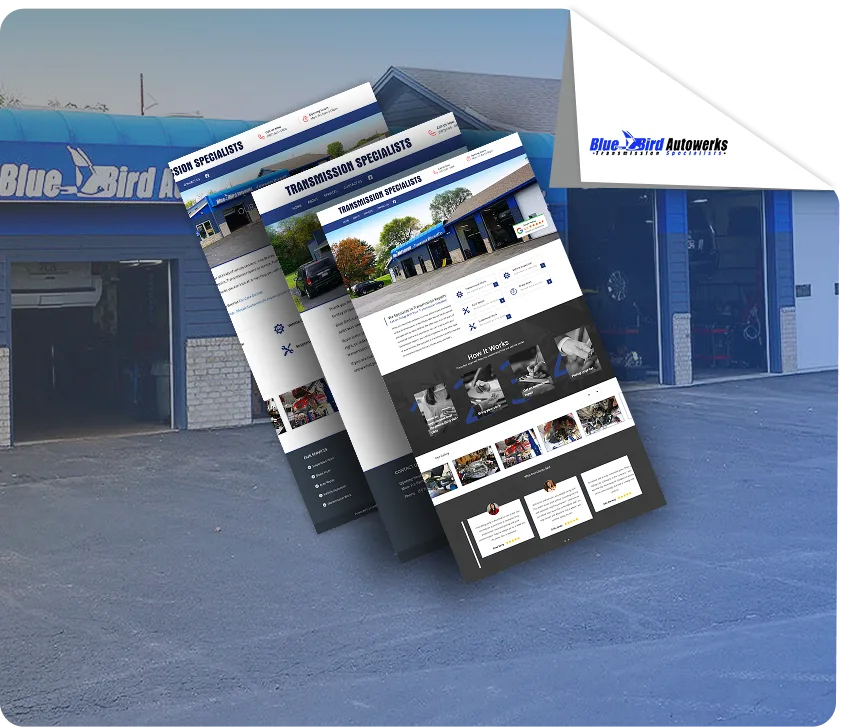
Website Redesign and On-Page Optimization: BlueBird AutoWerks
Hear it directly from Minnesota business owners
Watch real clients explain how a ProWeb365 website redesign and AI-ready marketing strategy changed their business.
How ProWeb365 compares to typical Minnesota web design companies.
An honest, side-by-side look at what you get with us vs. the average agency or DIY platform.
The fastest way to judge a digital marketing provider is analyzing how well their own website ranks in Google, ChatGPT, Perplexity, and other AI search engines. If they can’t do it for themselves, they can’t do it for you.
Affordable web design providers are abundant in Minnesota. But before hiring one, evaluate the criteria that matter most. See our guide on how to find a reliable online marketing agency. Our values have driven consistent results for our clients:
Experience
It takes years to become skilled at web design and understanding how Google and AI search algorithms shift. Our long list of satisfied clients reflects that.
We Focus on Your Uniqueness
Every company is different. After we learn your business model, goals, and customers’ questions, we devise a strategy generating measurable results, not vanity metrics.
We Empower You
Built on WordPress, the world’s most popular content management system (CMS), it includes back-ends you can edit yourself. We coach you on how to use it, and from then on, you control all content.
If you’d like to work with a Minnesota web design firm that lives these values, you’ve come to the right place.
Three cornerstones that set us apart from other Minnesota web design companies
Trust
We communicate clearly, frequently, and in writing from day one.
Relationships
Long-term partnerships, not one-offs. We coach you after launch and stay available for years. Most of our clients have been with us since their first site.
Integrity
Transparent fixed pricing, honest timelines, and websites you fully own.
Web design for every Minnesota industry
From contractors to nonprofits, we’ve constructed websites for clients across many industries in the Twin Cities and beyond.
Landscaping
Home Services
More Industries
Proudly serving Minneapolis businesses and organizations
Don’t see your city? Please call (612) 590-8080. We serve clients across Minnesota.
Ready to be found, cited, and chosen in the AI search era?
Founded by Phong Nguyen in 2009, ProWeb365 pairs every client with a dedicated project manager from kickoff through launch, and afterward. For local businesses, we can set up an in-person meeting to put a face to a name. Sixteen years and countless websites later, that’s still how we start most projects.
- AI Visibility Score across the 3 major AI engines
- Top 3 critical fixes to start being cited by AI
- Google Core Web Vitals + mobile speed snapshot
- Local SEO & Google Business Profile review
- Competitor benchmark for your top keyword
- Delivered as a clear PDF report to avoid sales pressure
Free Website + AI Search Audit
See exactly how visible (or invisible) your site is to AI search engines without fancy jargon.
Answers to what clients asked us most about Minnesota web design & AI SEO
1. How much does website design cost in Minnesota?
Website design quotes vary significantly due to differences in service providers, project complexity, and proprietary rights. This article examines the primary factors behind these variations by exploring three common provider types: custom software firms delivering high-priced, exclusive projects; CMS web design companies leveraging open-source frameworks for affordable, customized websites; and low-cost IT providers offering replicated designs with shared hosting. By understanding these distinctions, businesses can confidently choose the provider that best meets their evolving online objectives.
2. How long does it take to design and build a website?
Nowadays, a business website is more than an online brochure; it’s a powerful tool to engage potential customers 24/7. This article delves into the key features that differentiate an effective business website (from a brochure website), highlighting the unique requirements for informational, blog, and e-commerce platforms. From user-friendly navigation and smart content layouts to purposeful call-to-action buttons, learn how to craft a website that respects your visitors’ time and intelligence while boosting trust and driving conversions. Discover actionable tips for optimizing your online presence.
3. Do you offer SEO/GEO services with your web design packages?
In today’s competitive digital landscape, a strong web presence is essential for attracting customers. However, simply having a website isn’t enough. Businesses must design online content to address customers’ initial queries, improve connections with your audiences and deeper needs. This article explores three key factors for standing out: creating engaging, informative content, leveraging inbound marketing tactics, and cultivating trusted online reviews. By understanding these elements, companies can significantly enhance their digital appeal and increase their likelihood of being chosen by potential clients.
4. Why should I choose your company over others?
At ProWeb365, we are your trusted partner in digital transformation. Our team fuses cutting-edge website design and development, SEO/GEO optimization, and mobile-responsive strategies to deliver websites that captivate AI search engines and customers. Our tailored, performance-driven solutions empower your brand, backed by rave client reviews, ensuring fast load times, robust IT support, seamless social media integration, and comprehensive hosting. With our innovative, customer-centric approach, let us elevate your online presence and drive measurable growth. Call our Minnesota web design company today at (612) 590-8080 for a free consultation.
5. Do you provide website support and maintenance?
We are entering a hyper-digital age, where a stellar website and strong technical support can be your greatest asset to stay competitive. Discover five powerful clues that unlock the secret to choosing a web designer who transforms your digital presence into a conversion powerhouse. This must-read guide shows how custom design, mobile responsiveness, and secure domain ownership empower your brand to stand out. Unleash growth, drive sales, and elevate your online reputation with expert insights tailored for modern business success. Elevate your business and brand and capture more leads. Achieve lasting result.
6. What platforms do you use for building websites?
Empower your organization with our CMS website solutions that combine affordability, flexibility, and performance. Our open-source, community-driven platforms deliver tailor-made designs and powerful SEO tools to boost online visibility. Experience the freedom of WordPress (with Elementor Buider); a proven, secure, and cost-effective solution that scales with your growth. Whether starting a small business or expanding a Fortune 500 enterprise, our expert team customizes your website for maximum impact, driving leads, conversions, and long-term success. Elevate your digital presence and gain a competitive edge today.
7. What makes ProWeb365 different?
If your website has been a disappointment and you haven’t reached the goals you initially expected, or if you are about to hire a web developer to design a new website, this article is for you.
8. Will my new website be mobile-friendly?
Boost your business growth with a mobile-responsive website that drives customer engagement and conversions. Today, having a single, adaptable site means improved accessibility across all devices, resulting in a seamless user experience that captures leads and strengthens your brand. Our responsive design approach enhances SEO/GEO performance, saves development, and positions your business as modern and customer-focused. Elevate your digital presence and capitalize on every opportunity with a website designed to truly convert. Call us today at (612) 590-8080 for a free consultation!
9. Do you offer e-commerce web design solutions?
Yes, we build effective and scalable e-commerce websites with platforms like WooCommerce and Shopify, which help you convert online visitors into customers. Our strategic presentation delivers a clean website design, high-quality visuals, and persuasive product descriptions that can capture interest and drive purchases. You build credibility and encourage conversion by leveraging customer testimonials, transparent pricing, and trust marks. This article presents four actionable steps to optimize your e-commerce website, reduce cart abandonment, and boost revenue. Embrace these strategies to elevate your brand and secure market success.
10. What areas does ProWeb365 serve in Minnesota?
We are serving these areas:
- Web Design in Minneapolis
- Web Design Services in St. Paul
- Web Design Services in Faribault
- Roseville Web Design
- Rochester Web Design
If your small business is located in a different city, let us know! We’ll conduct competitor research based on your area to develop a web design strategy that helps you stand out in your local market before we start building your website. Contact us today to discuss your location-specific small business web design needs!
Get a free consultation from a leading Minnesota web design company
A high-quality, AI-optimized website can elevate your business, attract customers, and drive sustainable growth. Let’s talk about yours.
Learn from our latest articles on web design & AI search
From local contractors to assisted living establishments to restaurants, we’ve built websites for businesses across dozens of industries in the Twin Cities and beyond.
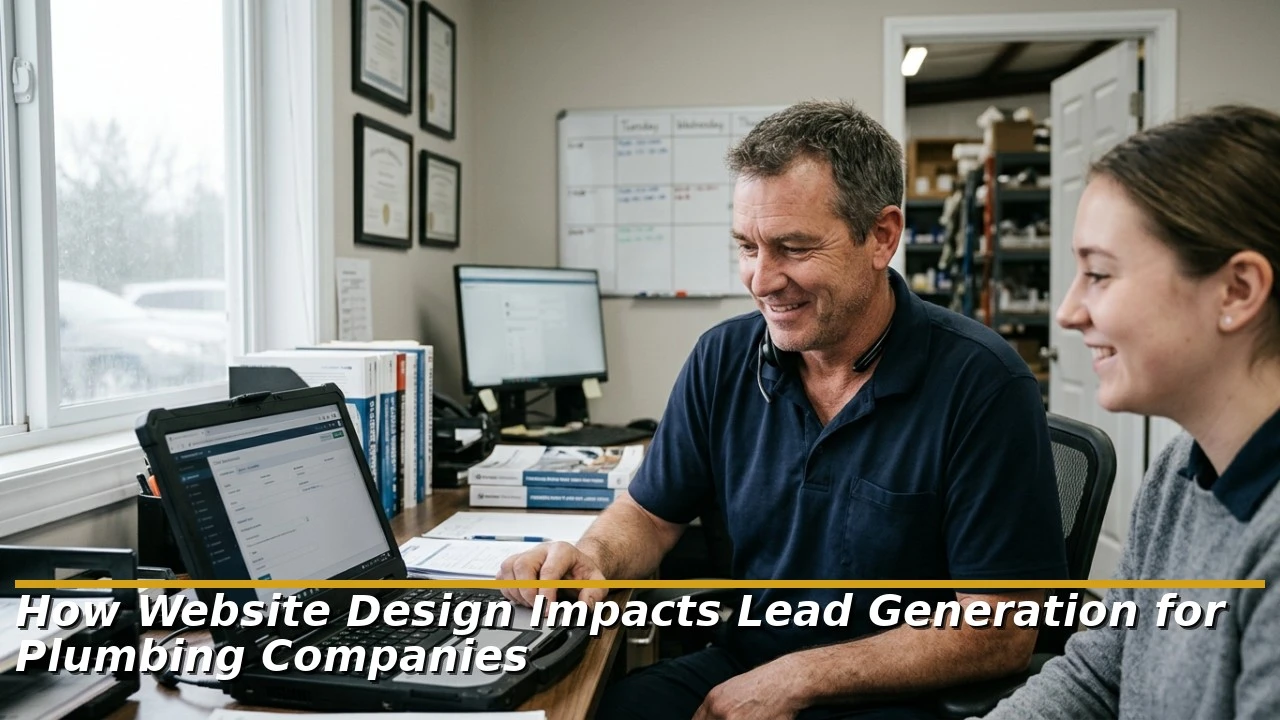
A homeowner finds water pooling under her kitchen sink at 7 AM. She searches for a plumber on her phone....
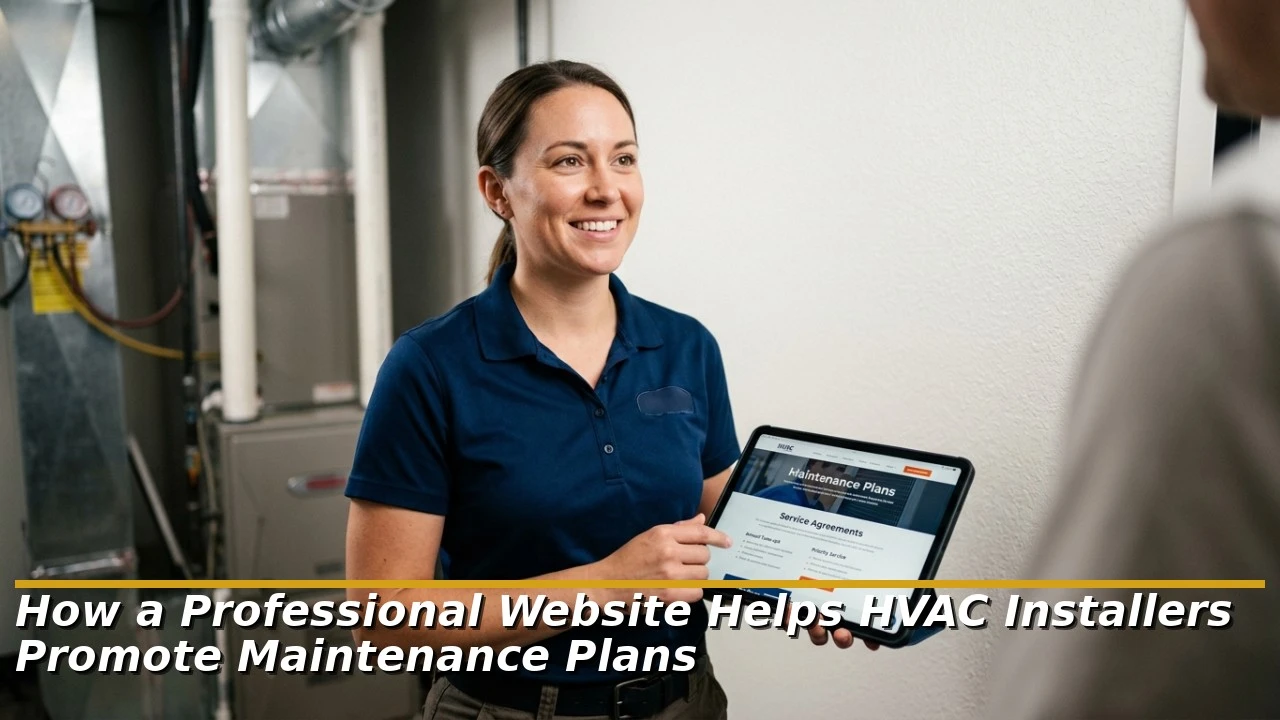
A homeowner in Woodbury dials an HVAC contractor in January because her furnace stopped working. The technician arrives, diagnoses a...
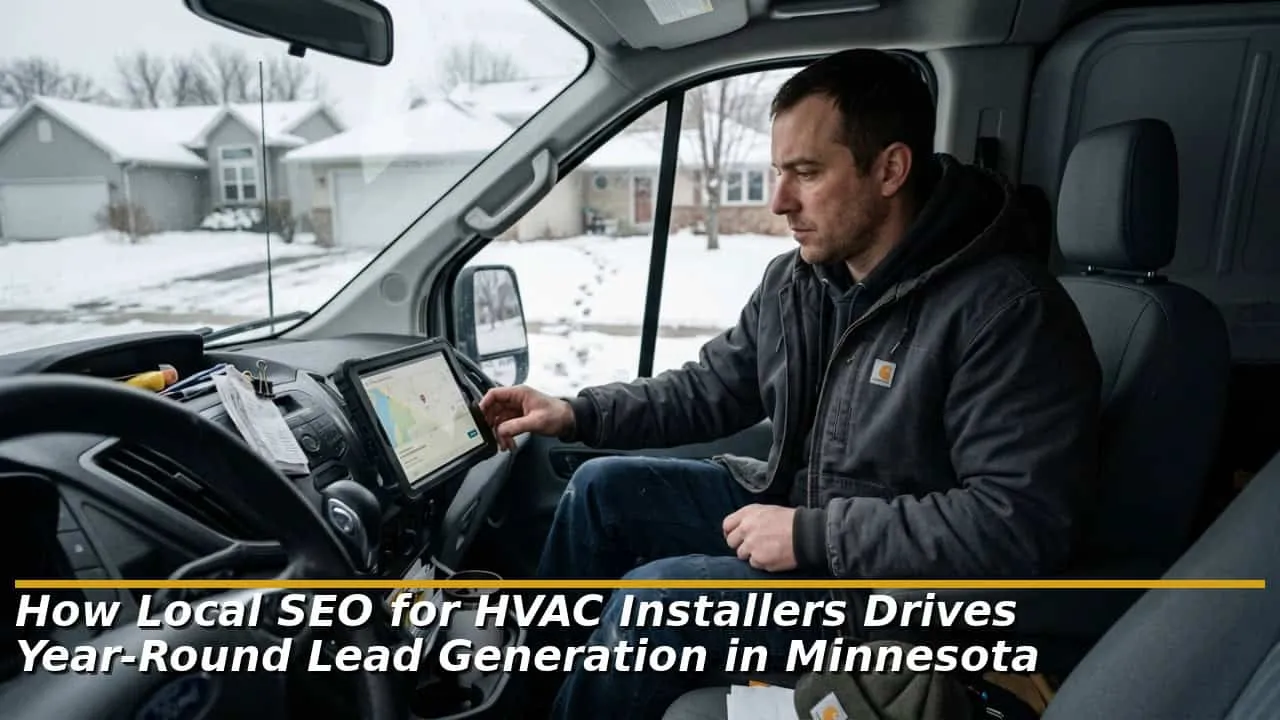
Most Minnesota HVAC installers know the J’s are their busiest months: January for furnaces, July for air conditioning. What many...